Walk This Way: What Your Gait Reveals About Your Body — And How the Right Shoes Can Change Everything
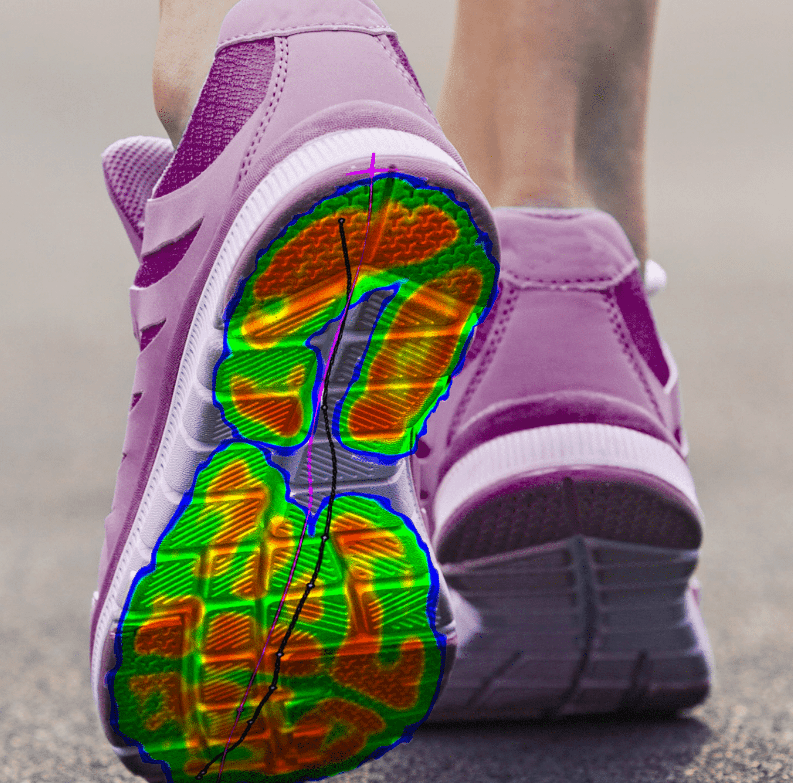
Photo: person walking biomechanics foot gait analysis close up shoes, via tops.health
You've been walking since you were about a year old. By now, it feels like the most automatic thing in the world. But here's the thing: the way you walk — your gait — is actually a remarkably detailed map of your musculoskeletal health, your posture habits, and even old injuries you may have long forgotten about.
And the shoes on your feet? They're either helping your body move the way it was designed to, or quietly compounding problems you haven't connected yet.
What Exactly Is Gait, and Why Does It Matter?
Gait refers to your pattern of movement while walking — the rhythm, timing, and mechanics of each step. It's not just about whether you shuffle or stride. A full gait cycle includes how your heel strikes the ground, how your weight transfers across the foot, how your ankle flexes, and how your hip and spine respond to each impact.
Dr. Priya Mehta, a podiatrist based in Chicago who works with everyone from office workers to marathon runners, puts it plainly: "Your feet are the foundation of your entire kinetic chain. When something's off down there, you'll feel it in your knees, your hips, your lower back — sometimes even your neck. Most people don't connect those dots until they're already dealing with chronic pain."
The good news: understanding your gait gives you a head start on preventing those problems. And choosing the right footwear is one of the most accessible interventions available.
Common Gait Patterns and What They're Telling You
Overpronation
Pronation — the natural inward roll of the foot as it lands — is normal and necessary. Overpronation is when that inward roll goes too far, causing the arch to flatten excessively with each step. It's one of the most common gait deviations in the US, and it often shows up as wear on the inner edge of your shoe soles.
Left uncorrected, overpronation can contribute to plantar fasciitis, shin splints, and knee pain. Footwear with medial post support (a firmer section on the inner midsole) and a structured arch can help redistribute load and bring the foot back into better alignment.
Supination (Underpronation)
The opposite of overpronation, supination means the foot rolls outward during the stride, placing excess pressure on the outer edge. People with high, rigid arches tend toward supination. Look for wear along the outer heel and forefoot of your current shoes. Cushioned, flexible footwear that encourages natural pronation is generally the right call here.
Heel Striking
If you land hard on your heel with each step — especially with your foot extended far ahead of your body — you're a heel striker. It's extremely common, in part because modern, heavily cushioned shoes have made it more comfortable. But heavy heel striking increases impact force traveling up through the joints and has been linked to higher rates of knee and hip stress over time.
Movement specialist and certified running coach Darius Webb, based in Atlanta, recommends a gradual approach: "You don't want to overhaul your gait overnight. But shortening your stride slightly and landing with your foot closer to your center of gravity can reduce impact significantly. Shoes with a lower heel-to-toe drop encourage that transition naturally."
Toe Walking or Forefoot Striking
Some people barely touch their heels to the ground at all, landing primarily on the ball of the foot. While this can be efficient for certain activities, habitual toe walking in everyday contexts can shorten the Achilles tendon and calf muscles over time, leading to tightness and discomfort. A moderate heel drop and regular calf stretching can help.
Asymmetrical Gait
Pay attention to whether one side of your shoe sole wears differently than the other. Asymmetry in gait often signals a leg length discrepancy, a hip imbalance, or compensation patterns from a past injury. This is one worth bringing to a podiatrist or physical therapist, because the right fix usually goes beyond footwear alone.
How to Actually Assess Your Own Gait
You don't need a fancy lab to get a baseline sense of how you walk. Start by checking the wear patterns on a pair of shoes you've had for at least six months — uneven wear is one of the clearest indicators of gait deviation.
Another low-tech option: the wet foot test. Wet the bottom of your foot and step onto a piece of brown paper or a paper bag. The shape of the print tells you a lot about your arch type — a full print with no curve on the inner edge suggests flat feet and potential overpronation; a very narrow connection between heel and forefoot suggests a high arch and possible supination.
For a more detailed picture, many specialty running stores offer complimentary gait analysis, often using video to capture your stride in slow motion. It takes about ten minutes and can be genuinely eye-opening.
Choosing Shoes That Support Your Specific Gait
Here's where it gets practical. Once you have a sense of your gait pattern, you can shop with real intention.
- For overpronators: Look for "stability" or "motion control" labels, a firm midsole, and reinforced arch support. Avoid maximally cushioned shoes with soft, unstable bases.
- For supinators: Prioritize cushioning and flexibility. Neutral shoes with extra shock absorption work well. Avoid rigid, heavy construction.
- For heel strikers: A lower heel-to-toe drop (6–8mm or less) encourages a more midfoot strike over time. Transition gradually.
- For everyone: Fit matters more than almost anything else. A shoe that's too narrow or too short changes how your foot loads with every single step.
Dr. Mehta's standing advice: "Don't buy shoes based on what looks good in a photo. Buy based on how your foot actually functions. Those two things can overlap — but only if you know what you're looking for."
The Bigger Picture: Walking as a Practice
There's something worth sitting with here. The average American takes between 3,000 and 4,000 steps a day — far below the often-cited 10,000 step goal, but still thousands of opportunities for your footwear to either support or undermine your body's mechanics. Over a lifetime, that adds up to millions of steps.
Choosing shoes that work with your gait isn't vanity. It's one of the most practical, low-effort investments in your long-term physical health you can make. And as more footwear brands embrace sustainable construction practices and biomechanically informed design, you no longer have to choose between what's good for your body and what's good for the planet.
Walk with awareness. Walk with the right support. The ground beneath your feet has a lot to say — it's worth learning to listen.