Second Life Soles: Your No-Nonsense Playbook for Scoring Amazing Pre-Loved Shoes
Let's be honest — some of the most interesting shoes in the most interesting people's closets didn't come from a retail shelf. They came from a Goodwill in Nashville, a vintage boutique in Silver Lake, a swap meet in Brooklyn, or a late-night scroll through Depop. Pre-loved footwear has fully entered its main character era, and if you're not tapping into the secondhand market yet, you're leaving serious style on the table.
Beyond the aesthetic upside, there's a real sustainability argument here too. The footwear industry produces over 20 billion pairs of shoes annually, and the majority end up in landfills. Choosing secondhand keeps perfectly good shoes in circulation and out of the trash. It's one of the most direct ways your purchasing decisions can reduce that footprint — pun fully intended.
Here's everything you need to know to do it well.
Know Your Hunting Grounds
Not all secondhand channels are created equal, and each one has its own vibe, price point, and inventory style.
Thrift stores (Goodwill, Savers, local church sales, Salvation Army) are the OG hunting ground. Inventory is unpredictable, which is kind of the whole point. You might find a pair of barely-worn Cole Haans for $8 or a vintage pair of Frye boots that retail for $400. The key is consistency — regular shoppers know their local stores' restock schedules (usually mid-week at most Goodwill locations) and show up accordingly. Go early, go often, and keep your expectations flexible.
Vintage boutiques are curated and priced accordingly. You won't find $5 steals here, but you will find quality-vetted, often authenticated pieces. Cities like Chicago, Portland, Austin, and New York have incredible vintage shoe scenes. These shops are great for investment pieces — think 1970s leather clogs, deadstock Adidas from the '80s, or Italian-made heels from an era when shoes were actually built to last.
Peer-to-peer platforms — Depop, Poshmark, ThredUp, eBay, and GOAT (for sneakers specifically) — give you access to a national (and global) inventory from your couch. Depop skews younger and trendier. Poshmark has a strong community of sellers who specialize in brands. eBay remains unmatched for rare vintage and deadstock finds. GOAT and StockX are the gold standard for authenticated sneaker resale.
Swap apps and community groups are the most underrated option. Facebook Marketplace, local Buy Nothing groups, and platforms like Swap.com let you trade directly with other shoe lovers. No money changes hands — you give something, you get something. It's the most circular model in the game.
Spotting Quality in the Wild
Buying secondhand requires a different skill set than retail shopping. You're not just evaluating style — you're evaluating condition, construction, and authenticity. Here's what to look for:
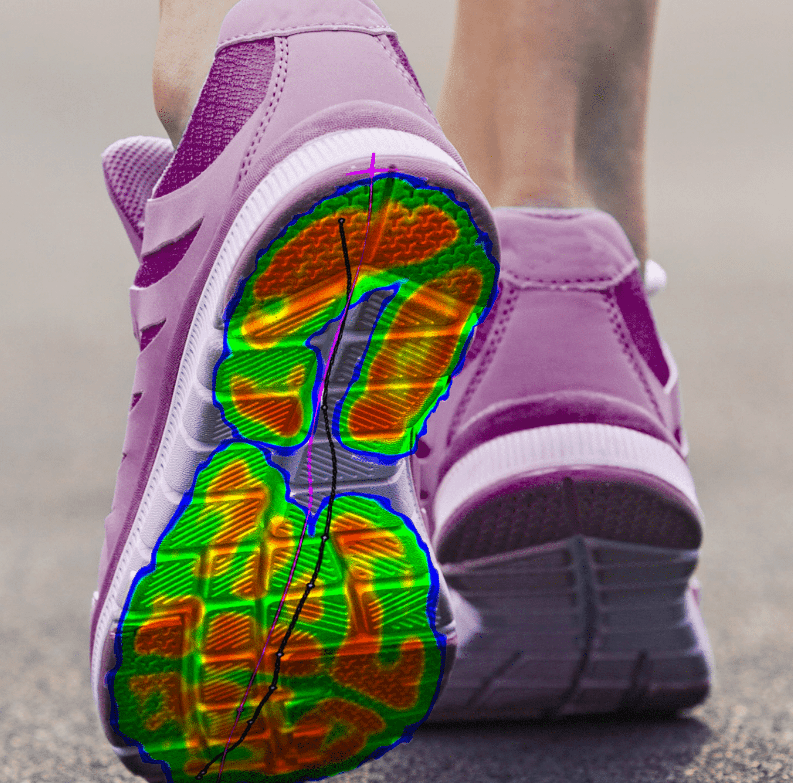
Check the sole wear. Flip the shoe over. Uneven wear patterns can indicate gait issues in the previous owner, which means the shoe may have structurally adapted to someone else's foot. Heavy wear on the outer heel is common and usually fine. Extreme wear on one side only is a red flag.
Inspect the insole. This is where feet spend their time, and insoles absorb sweat, pressure, and odor. A heavily compressed or stained insole can often be replaced (Dr. Scholl's and Superfeet both make affordable replacements), but check how bad it is before committing.
Look at the upper construction. For leather shoes, check for deep creases, cracks, or peeling. Light creasing is totally normal and can often be conditioned out. Cracks in the leather, however, are structural damage. For fabric or mesh uppers, look for fraying, separation at seams, or pilling.
For sneakers specifically — check the midsole. Foam midsoles compress and lose responsiveness over time. Press your thumb into the midsole. If it feels rock-hard with no give, the cushioning is shot. The shoe might still look great, but it won't feel great.
Authenticating designer and sneaker finds. If you're buying anything with a significant resale value — Air Jordans, Yeezys, designer heels — learn the authentication markers for that specific shoe. Stitching consistency, font on labels, hardware quality, and box details all matter. Apps like Legit Check and CheckCheck can help, and platforms like GOAT and StockX build authentication into their process.
Refreshing Pre-Loved Finds
A little TLC goes a long way. Before you style your secondhand scores, give them some love:
- Leather shoes: Clean with a damp cloth, condition with a quality leather conditioner (Leather Honey is a cult favorite), and polish if needed. Heel caps and toe taps can be replaced cheaply at a cobbler.
- Sneakers: A Magic Eraser handles midsole scuffs surprisingly well. Jason Markk and Crep Protect make excellent cleaning kits for fabric and suede. Replace laces — it's cheap and makes a huge difference.
- Odor: Baking soda left inside overnight, or cedar shoe inserts, handle most odor situations. For serious cases, a light spray of white vinegar followed by airing out works well.
Styling Pre-Loved with New Pieces
One of the best things about building a secondhand shoe collection is the texture it adds to your overall style. Pre-loved pieces carry history — a slight patina on leather, a colorway that's no longer in production, a silhouette that's cycling back into trend.
The key to mixing thrifted shoes with newer wardrobe pieces is confidence. A pair of vintage leather loafers pairs effortlessly with contemporary straight-leg denim. Deadstock 90s sneakers look incredible with modern minimalist fits. The contrast between old and new is a feature, not a bug.
Don't overthink it. If the shoe fits and you love it, it belongs in your rotation.
The Community Is the Best Part
Here's something the retail experience rarely offers: community. The secondhand shoe world has a genuine culture around it. Sneakerhead swap meets happen in cities across the US — Chicago's Sneaker Con, events in LA, NYC, and Atlanta draw thousands of collectors and casual fans alike. Vintage shoe lovers have active communities on Instagram and Reddit. Swap groups on Facebook are full of people who genuinely want to help you find what you're looking for.
There's something meaningful about the way a shoe passes from person to person, each owner adding a chapter to its story. When you buy secondhand, you're not just making a sustainable choice — you're participating in a living, breathing culture that values craftsmanship, creativity, and connection over fast consumption.
Every pair has a past. The question is whether you're ready to write its next chapter.