High Heels, Zero Drama: The Science and Brands Rewriting the Rules of Heel Comfort
Let's be honest. We've all done it — slipped on a gorgeous pair of heels, told ourselves we'd be fine, and then spent the back half of the night standing near a wall, quietly calculating whether it's too weird to take them off in public. For decades, the unspoken agreement in fashion was simple: if it looks that good, it's going to hurt. But that deal? It's officially being renegotiated.
A growing coalition of podiatrists, biomechanical engineers, and forward-thinking designers are dismantling the myth that heel comfort is some kind of impossible ask. And the footwear coming out of this movement is nothing short of a revelation.
Why Heels Hurt in the First Place
To understand the fix, you have to understand the problem. When you step into a traditional stiletto or even a modest block heel, your body weight shifts dramatically forward — onto the ball of your foot. Dr. Priya Mehta, a podiatrist based in Chicago who works with athletes and everyday patients alike, puts it plainly: "A two-inch heel increases the pressure on the forefoot by about 57 percent. A four-inch heel? You're looking at nearly double the load on structures that were never designed to carry it."
That pressure translates into a cascade of issues — metatarsalgia (pain in the ball of the foot), plantar fasciitis, shortened Achilles tendons, and knee stress that compounds over time. The classic pointy toe box doesn't help either, cramming toes into an unnatural position that can cause bunions and nerve compression.
But here's what's changed: designers are finally listening to that data instead of ignoring it.
The Technology Quietly Revolutionizing Your Shoe Rack
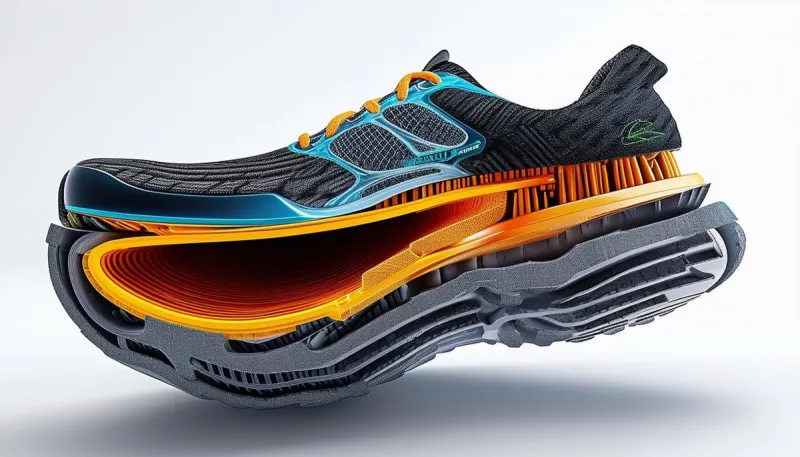
The most meaningful shifts in heel comfort aren't always visible to the naked eye — they're happening inside the shoe. Memory foam and gel padding in insoles have been around for a while, but newer iterations are far more sophisticated. Brands are now engineering multi-density foam systems that respond differently to pressure points across the foot, offering cushioning where you need it most without creating that squishy, unstable feeling.
Platform construction has also had a quiet renaissance. A hidden platform at the toe — even just a quarter inch — can dramatically reduce the effective pitch of a heel, making a four-inch shoe feel closer to a two-inch one in terms of body mechanics. It's one of the oldest tricks in the book, but modern versions are sleeker and more integrated than ever.
Then there's the heel stack itself. Brands like Margaux and Sarah Flint have invested heavily in anatomically contoured footbeds that cup the heel and distribute weight more evenly across the entire foot. It's not magic — it's geometry.
The Brands Actually Getting It Right
So who's worth your money right now? A few names keep coming up in conversations with both comfort-focused podiatrists and fashion editors who refuse to sacrifice one for the other.
Ally Shoes built their entire brand around podiatrist collaboration, and it shows. Their heels feature a rocker bottom sole that guides the foot through a more natural gait cycle — something almost no other dress shoe brand has attempted at this price point. They're not the flashiest option on the shelf, but they're consistently ranked among the most wearable.
Cole Haan has been quietly doing serious work in this space for years, particularly with their ZERØGRAND and Grand Ambition lines. Their use of Nike-derived cushioning technology in a dress shoe silhouette was genuinely ahead of its time, and the current iterations have only gotten better.
Naturalizer deserves more credit than it typically gets from the fashion crowd. Their N5 Contour technology — a five-part system addressing heel grip, arch support, toe box width, insole cushioning, and outsole flexibility — is one of the most comprehensive comfort frameworks in mainstream footwear retail. And their styles have genuinely leveled up.
For those willing to invest at a higher price point, Loeffler Randall and Veronica Beard have both released collections that prioritize wearability without looking like they compromised on anything. The secret, according to designers at both brands, is starting the design process with the last (the foot-shaped form the shoe is built around) rather than the silhouette.
What to Actually Look For When You Shop
Not everyone can afford to go full podiatrist-approved luxury, and that's okay. Here's what to keep in mind regardless of budget:
- Heel width matters more than height. A wider heel base distributes weight more evenly and dramatically improves stability. A thick block heel at three inches is almost always more comfortable than a slim stiletto at two.
- Look for a padded insole you can actually remove. That means you can swap in a custom orthotic or a better aftermarket insole if needed.
- Check the toe box width. Your toes should be able to spread slightly. If they're compressed at rest, they'll be screaming after an hour of walking.
- The break-in period is real — but it shouldn't be brutal. A well-made heel might need a few wears to fully conform to your foot. If you're in serious pain on day one, that's not breaking in, that's a bad fit.
The Bigger Picture
What's happening in heel design right now is part of a larger cultural shift — one where "comfortable" is no longer a polite way of saying "frumpy." Consumers are demanding both, and the brands that are thriving are the ones smart enough to deliver.
Dr. Mehta sees it in her practice every day. "My patients used to come in resigned to the idea that fashion and foot health were at odds. Now they're coming in asking me which brands to buy. That's a completely different conversation."
Your footwear should work for your life — all of it. The long workday, the dinner after, the unexpected walk to the parking garage. The best heels on the market right now are designed with all of that in mind. And honestly? It's about time.