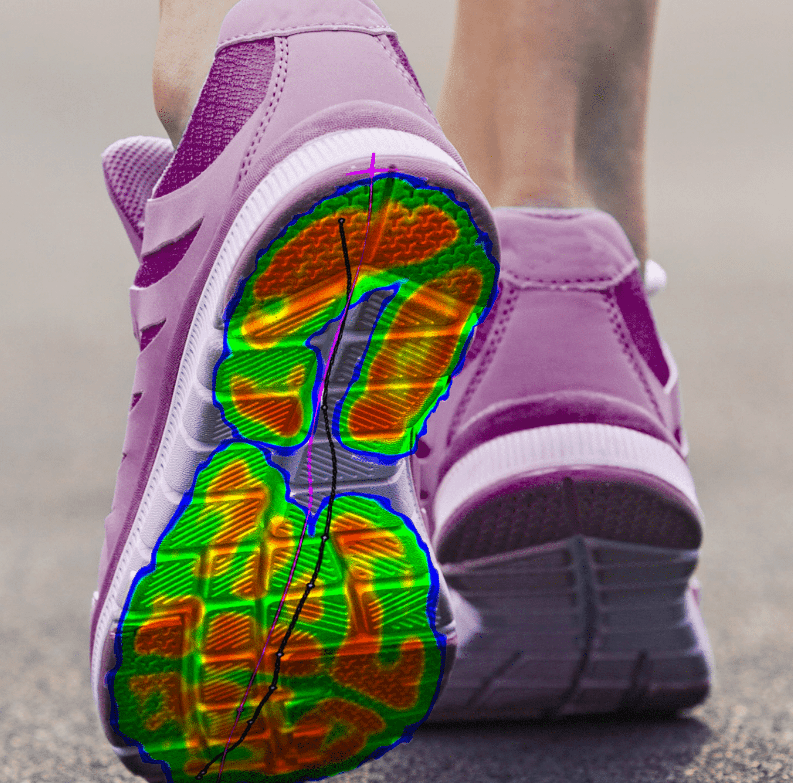
Your Feet Are Not the Same Feet You Were Born With — And Your Shoe Closet Should Reflect That
Somewhere in most American closets, there's a graveyard of shoes that used to fit. Not shoes that wore out. Not shoes that went out of style. Shoes that simply stopped working for feet that quietly changed shape while their owner wasn't paying attention.
We talk a lot about how our bodies change over the course of a lifetime. We adjust our clothing sizes, our skincare routines, our diets. But feet? Feet get treated like a fixed variable — a number assigned sometime in adolescence that we carry on our driver's license and recite at shoe stores for the rest of our lives. The reality is far more complicated, and ignoring it has real consequences for comfort, health, and yes, the sustainability of your wardrobe.
The Anatomy of a Changing Foot
To understand why feet change, you need a quick primer on what they're made of. Each foot contains 26 bones, 33 joints, and over 100 muscles, tendons, and ligaments. That's not a rigid structure — it's a dynamic system that responds to load, movement, hormones, and time.
The most significant driver of foot change in adulthood is a process called ligament laxity, where the connective tissue that holds the foot's arch structure together gradually loosens. This is why feet tend to get longer and wider as people age, even without any weight change. Studies have found that adults can gain half a shoe size or more per decade after age 40. For many people, that's a full size gained between their thirties and their sixties.
Dr. Jacqueline Sutera, a podiatrist based in New York City, has spoken publicly about how often she sees patients wearing shoes that are simply the wrong size — not because they bought them that way, but because their feet changed and they never reassessed. "Most people assume their shoe size is permanent," she's noted. "It isn't."
Pregnancy: The Most Dramatic Foot Transformation
For people who carry pregnancies, the changes can be particularly significant. Relaxin, the hormone that loosens pelvic ligaments to prepare the body for childbirth, doesn't limit itself to the pelvis. It circulates systemwide, and the feet — weight-bearing structures under increasing load — are especially vulnerable to its effects.
Research published in the American Journal of Physical Medicine & Rehabilitation found that a majority of women experienced measurable increases in foot length and arch drop during pregnancy, and that these changes were largely permanent after the first pregnancy. Not temporary. Permanent.
This means that a significant portion of American women are walking around in shoes sized for a body they no longer have, often without realizing it. The shoes feel "a little tight" or "not quite right," and the assumption is that the shoes are the problem. Sometimes the shoes are fine — the feet have simply moved on.
Weight, Standing, and the Long Game
Pregnancy is the most dramatic example, but it's far from the only one. Weight fluctuations — in either direction — affect foot volume and width. Extended periods of standing, common in professions like nursing, teaching, and retail, accelerate arch flattening over time. Even the type of shoes you've worn historically plays a role: years in narrow, pointed-toe shoes can cause structural changes that affect how your foot fits into future footwear.
The cumulative picture is one of constant, gradual evolution. Your feet at 50 have lived a full life. They've absorbed millions of footsteps, adapted to varied surfaces, responded to hormonal shifts and gravitational load. Expecting them to fit the same shoes they fit at 25 is a bit like expecting your 25-year-old reading prescription to still work.
The Sustainability Angle Nobody's Talking About
Here's where this gets interesting from a sustainability perspective. The conventional response to ill-fitting shoes is to buy new ones. And while the footwear industry is certainly not complaining about that approach, it's worth asking whether it's necessary — and whether it's responsible.
The environmental cost of shoe production is significant. Manufacturing a single pair of sneakers generates roughly 30 pounds of carbon dioxide equivalent, according to MIT research. Multiply that by the millions of pairs discarded annually because they no longer fit, and you have a staggering amount of waste driven by a problem that's at least partially addressable without buying anything new.
Some more sustainable options worth considering:
Get professionally measured — regularly. Most Americans haven't had their feet properly measured since childhood. A proper fitting at a specialty shoe store (think Fleet Feet, New Balance retail locations, or independent running shops) can reveal changes you've been unconsciously compensating for. This is free, takes ten minutes, and can save you from buying multiple wrong pairs.
Explore stretching and modification services. A skilled cobbler can stretch leather shoes by up to a half size in width, and sometimes length. If you have shoes you love that have become slightly too snug, this is worth trying before replacing them. Many cities have independent cobblers who offer this service affordably.
Invest in quality insoles. For shoes that have become slightly too roomy due to arch changes, a supportive insole can restore fit and function without replacing the shoe. Brands like Superfeet and Powerstep make podiatrist-recommended options that can meaningfully extend the useful life of well-made footwear.
Buy for your current feet, not your remembered ones. This sounds obvious, but it requires actively unlearning the habit of stating your size and moving on. When shopping — whether in-store or online — treat every purchase as if you're buying for a foot you don't fully know yet. Read sizing notes carefully. Order multiple sizes when trying a new brand. Prioritize retailers with generous return policies.
Rethinking the Shoe Closet as a Living Document
There's a broader mindset shift embedded in all of this. The shoe closet, when it's working well, isn't a museum of past purchases — it's a functional wardrobe that reflects who you are and how you live right now. That includes the body you're currently in.
From a sustainable fashion perspective, the goal isn't to buy more shoes every time your feet shift slightly. It's to build a more intentional relationship with what you own: getting things repaired, resized, and modified when possible; donating or reselling what genuinely no longer fits; and buying new only when the need is real and the choice is considered.
Your feet have carried you through everything. They've changed because your life has changed. The least we can do is pay attention.
The next time you reach for a pair that doesn't feel quite right, don't just push through. Ask yourself whether the shoe has a problem — or whether your feet have simply outgrown the version of you that bought it. Either way, the answer is worth knowing.